

· Steve Callanan · 5 min read
A lat pulldown machine is how most people train a vertical pull. Pull-ups are a great exercise, but plenty of lifters cannot yet do one for useful reps, and even strong lifters often want to load the pattern more precisely. A pulldown gives you the same movement at a weight you choose.
The question is how to get one into the room. You can buy a stand-alone pulldown, a combination machine that adds a seated row, or use a cable station you already own. This guide compares the three for home gyms, small studios and PT gyms.
Why a lat pulldown machine earns its place
Vertical and horizontal pulling are the two pulling patterns most programs are built around. The pulldown covers the vertical one, and it does a few things a pull-up bar cannot:
- Scalable load. A beginner can start light, and the load moves up in small steps from there.
- A stable position. A thigh pad holds the lifter down against the load, so the back and arms do the work.
- Easy coaching. For a PT, a pulldown is a quick way to teach a client to pull with the back, not just the arms.
If you own a pull-up bar, a pulldown still adds something. If you do not, it is often the first back machine worth buying.
Option 1: a stand-alone lat pulldown
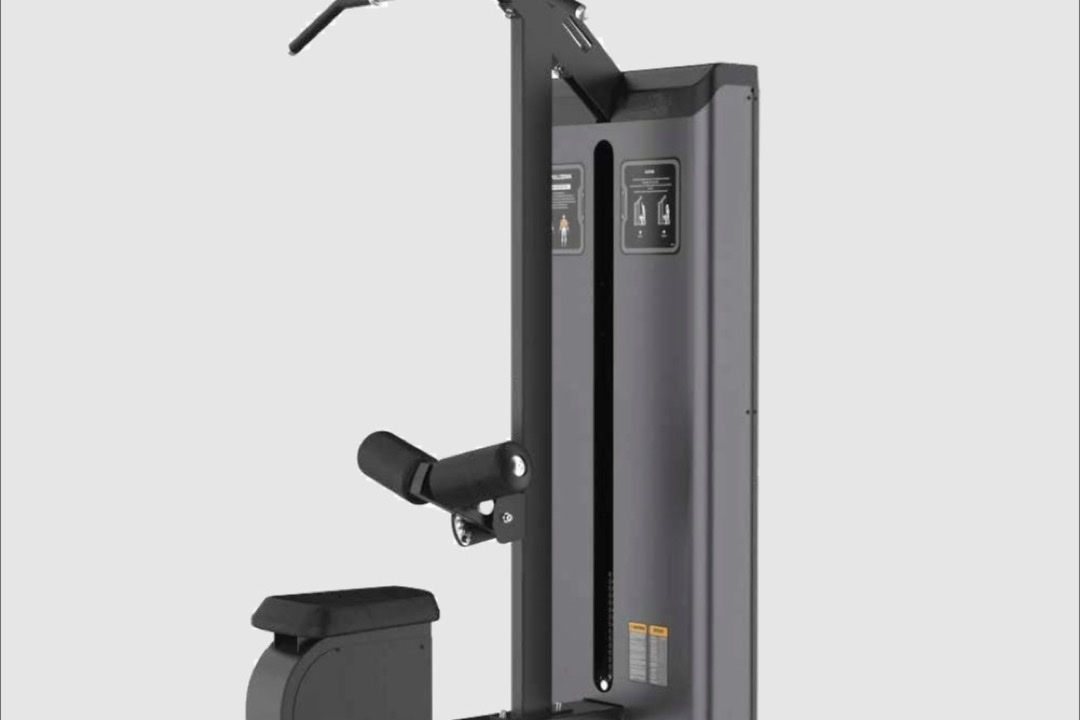
A dedicated pulldown is built for one job and does it well. The seat, thigh pad and bar position are set up for vertical pulling, and the machine sits on a smaller footprint than a combination unit.
MasterKraft's Lat Pulldown is a vertical pull on a selectorised stack, with a thigh pad to anchor the lifter against the load. There are also variations for floors that want more than one pulldown stimulus. The Lat Pulldown Circular, for example, moves the handle on an arced path that follows the shoulder's natural travel, which changes where the resistance peaks through the range.
A stand-alone pulldown suits:
- Commercial floors and busy PT gyms, where pulldowns and rows are both in constant use and one combined machine would create a queue.
- Studios that already have a separate row, or train horizontal pulling with free weights.
Option 2: lat pulldown and seated row combo
A combination machine puts both pulling patterns on one frame: the pulldown at the top and a seated row at the bottom. For a room that needs full back coverage without two separate stations, it is the efficient answer.
The MasterKraft Lat Pulldown & Seated Row covers vertical and horizontal pulling in one machine and one footprint, which gives you a complete back program from a single station.
The trade-off is simple. Only one person can use it at a time, and it takes a moment to switch between the pulldown and the row positions. In a home gym or a small studio that rarely matters. On a busy floor, it can.
Option 3: use a cable station
If you already own a functional trainer, a dual pulley rack or an all-in-one trainer, you may not need a separate pulldown. Many cable stations have a high pulley and a lat bar, and some include a seat or a leg holder to keep you anchored.
The MasterKraft All-In-One Trainer, for example, comes with a lat bar, row bar, single handle, tricep rope and V-bar among its attachments, along with two 100kg weight stacks and a bench seat with leg holder. A single adjustable column such as the Hi & Low Adjustable Pulley covers pulldowns at the top and rows and curls at the bottom.
What you give up is the fixed set-up. A dedicated machine holds you in the right position every time, while a cable station needs more adjusting and, without a thigh pad, heavier pulldowns can lift you off the seat. Our cable machine guide compares the main cable options in more detail.
What to check on any lat pulldown machine
Whichever option you choose, check these before you buy:
- Thigh pad adjustment. It should lock the lifter in firmly without crushing the legs, across a range of body sizes. A pulldown built to fit a broad range of users, such as the MasterKraft Universal Pulldown, keeps one machine usable by everyone who trains on it.
- Stack weight and increments. Check the published stack weight and make sure it covers your strongest user, and that the jumps between plates are small enough for beginners.
- Bar and handle options. A wide bar is standard. A close-grip handle or V-bar adds variety, so check what is included and what clips on.
- Cable path and feel. The pull should be smooth from the top of the movement to the bottom, with no catching through the pulleys.
- Height. Pulldowns are tall. Measure the ceiling, and allow for the top of the machine and the bar travel.
- Warranty. Read how the warranty splits between the frame, cables and upholstery, since cables and pads wear first.
Which should you buy?
- Home gym with space for one back machine: the lat pulldown and seated row combo gives you both pulling patterns.
- Home gym that already has a cable station: use it, and add a dedicated machine later if you find yourself fighting the set-up.
- PT studio: a combo machine usually covers the need. If several clients pull at the same time, separate machines keep sessions moving.
- Commercial floor: separate pulldown and row machines, often with a second pulldown variation, spread the load across the floor.
Plan your back machines as a set
A pulldown works best alongside a row, a pull-up option and the free weights around it. Browse the full range of back machines to compare options.
If you are setting up a PT studio or a larger room and want the strength area laid out with you, our PT studio fit-out service can plan it around how you train clients.