

· Steve Callanan · 6 min read
Most equipment failures on a gym floor do not start as failures. They start as chalk packed into a knurl, a band with a small nick, a dumbbell head that has started to move, or a mat that has not been mopped properly in a month. None of those stop a session on the day. All of them turn into downtime, a warranty conversation or a member complaint later.
A maintenance routine is how operators stay ahead of that. This checklist is built for gym owners and managers, and it draws on the care and preventative maintenance guidance MasterKraft publishes on its warranty page. Adjust the frequencies to your own member traffic: a 24-hour site with a busy strength floor needs a tighter schedule than a boutique studio that runs eight classes a day.
Why maintenance is an operating decision, not a cleaning task
Three reasons to treat this as part of running the business rather than something the cleaners might get to:
- Warranty depends on it. Manufacturer warranties generally exclude damage from lack of maintenance, normal wear and tear, and misuse. MasterKraft's policy, for example, makes barbell rust the purchaser's responsibility to maintain against, and excludes dumbbell heads loosened by repeated dropping. A logged maintenance routine is your evidence when a genuine fault does need a claim.
- Downtime costs members. A broken cable station or a rack that has been taped off for a week is visible to every member who walks past it. Our commercial gym fit-out guide covers why servicing belongs in the operating budget from day one.
- Safety duties. If you run a gym as a business, work health and safety law in your state or territory expects you to manage the risks from equipment people use at your site. Equipment that is inspected and maintained to the manufacturer's instructions is a large part of meeting that expectation. Get advice from a WHS professional on exactly what applies to your site.
On standards: Australia has adopted the ISO 20957 series for stationary training equipment as AS 20957, with Part 1 covering general safety requirements and test methods. That series governs how equipment is designed and tested. It does not replace your own inspection and maintenance routine once the equipment is on your floor.
Daily
These take minutes and are best done at close or at the first shift's open.
- Mats and rubber tiles. Vacuum, then damp mop with a pH-neutral solution. MasterKraft's guidance is that mats should be cleaned daily. Avoid harsh chemicals, which can dry out and crack rubber over time.
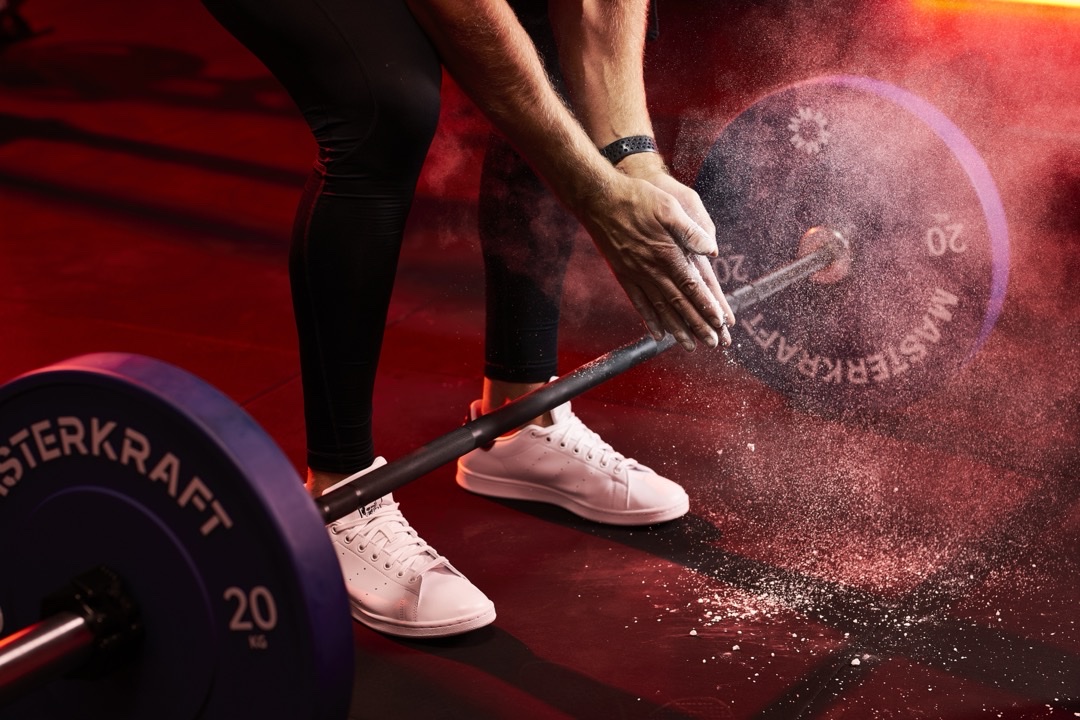
- Barbells. Brush chalk out of the knurling, daily where possible. Chalk holds moisture against the steel.
- Upholstery. Wipe benches and pads with a pH-neutral detergent and dry them. Sweat left on vinyl overnight shortens its life.
- Bands and suspension trainers. Mini bands and power bands should be inspected for tears before every use. Make it part of the coach's class set-up, and pull any band with a nick from circulation immediately.
- Walk the floor. Look for loose collars, plates left on bars, dumbbells left on the floor and anything sitting in a walkway.
Weekly
- Barbells in heavy use. For bars that are heavily used or exposed to moisture, MasterKraft recommends WD-40 weekly to twice weekly. Apply lightly, wipe off the excess, and keep it off the grips of anyone about to lift.
- Kettlebell and dumbbell handles. Remove any sweat-related rust and protect the handles with WD-40.
- Ropes and anchor points. Check battle rope ends, suspension trainer anchors, buckles and straps for wear. Replace worn parts before they fail.
- Punch bags. Check the metal components, chains and swivels. They degrade through friction and are easy to miss because they hang above eye level.
- Storage. Make sure every rack is being used as intended: bars on non-abrasive racks, plates on trees or toasters, dumbbells back in their own saddles. Bars should not be left loaded between sessions.
Monthly
- Dumbbell audit. Pick up each dumbbell and check the head. Any dumbbell whose head has come loose should be replaced, not taped or tightened and put back. This is one of the most common floor hazards in a busy gym.
- Plyometric boxes. Check the rubber surfaces on metal boxes. Reapply glue to any edges that are lifting.
- Medicine balls, slam balls and skipping ropes. Inspect for splits, punctures and frayed cables.
- Bumper plates. Look for cracking or drying, especially plates that sit in sunlight near windows or roller doors. UV damage is generally excluded from warranty, so move storage out of direct sun if you see it starting.
- Bolts and fixings. Check that rigs, racks and wall-mounted storage are still tight against the floor or wall.
Quarterly or twice yearly
- Full equipment audit. MasterKraft recommends regular equipment audits. Walk the whole floor with a list of every asset, note condition, and flag anything for repair or replacement. Photograph anything that is wearing so you can compare at the next audit.
- Selectorised and cable equipment. Cables, pulleys, upholstery and adjustment pins on cable stations and plate-loaded machines are wear items. Schedule preventative servicing based on traffic, not on when something breaks.
- Review your service agreement. Check that the response and resolution times you were promised are written down, and that your site sits inside the supplier's service coverage. MasterKraft backs its equipment with a 72-hour service SLA in writing, covering response and resolution.
Keep a log
The routine only works if it is written down. A simple shared spreadsheet or a checklist in your gym management software is enough:
| What to record | Why it matters |
|---|---|
| Date and staff member | Shows the routine is actually happening |
| Item and location | Makes repeat faults visible |
| Condition found | Builds a wear history for each asset |
| Action taken | Separates "inspected" from "fixed" |
| Removed from use? | Protects members while a repair is pending |
When something does go wrong, the log does two jobs. It shows a warranty assessor the equipment was maintained, and it tells you whether a fault is a one-off or a pattern worth raising with your supplier.
When something fails
If equipment breaks despite proper care, take it out of use straight away, then gather what the warranty process will ask for. For MasterKraft equipment that means a description of the item and the issue, proof of purchase, and photos or video, with at least one image clearly showing the MasterKraft logo. Claims go through the warranty form on the warranty page, and you will receive a case number to use in all correspondence.
The short version
Clean the floor and the bars daily. Check bands before every use. Oil the steel weekly. Audit the dumbbells monthly. Walk the whole floor with a list every quarter. Write it all down. None of it is complicated, and all of it is cheaper than replacing equipment early or explaining to members why the rack is taped off again.
For guidance on choosing bars that will stand up to this kind of use, see our guide to choosing a barbell.