

· Steve Callanan · 5 min read
A foam roller is one of the simplest pieces of kit in a gym, and one of the most used. Many lifters roll before training as part of a warm-up and after training as part of a cool-down, and plenty of Pilates and core classes use a long roller as a piece of equipment in its own right.
Rollers look much the same on a shelf, but length, density and surface texture all change how they feel and what they are good for. This guide explains each, so you can choose the right foam roller for your home gym or studio.
What a foam roller is used for
Most people use a foam roller in one of three ways:
- Rolling. Lying or sitting on the roller and moving slowly over the legs, back or hips. Many lifters use it as part of a warm-up or cool-down because they like how it feels.
- Support and balance work. Lying lengthways on a long roller for core, Pilates and stability exercises.
- Mobility drills. Using the roller as a prop for thoracic extensions, stretches and similar positions.
The right roller depends on which of these you will do most. A roller that is ideal for rolling calves in a small room is the wrong shape for lying on lengthways.
Foam rolling is not a substitute for advice from a physiotherapist or doctor. If something hurts beyond normal training discomfort, get it checked rather than rolling it.
Size: length and diameter
Length is the biggest decision.
- Short rollers (around 30 to 35cm) are compact and easy to control. They suit targeted rolling on the calves, quads and hips, and they are easy to store or take to the gym in a bag.
- Mid-length rollers (around 45cm) are a good all-rounder. They are long enough to cross the back comfortably and short enough to manoeuvre.
- Long rollers (around 90cm) let you lie along the roller with your head and hips supported, which is what Pilates and core work need. They are also stable for rolling across the upper back, because both shoulders are supported.
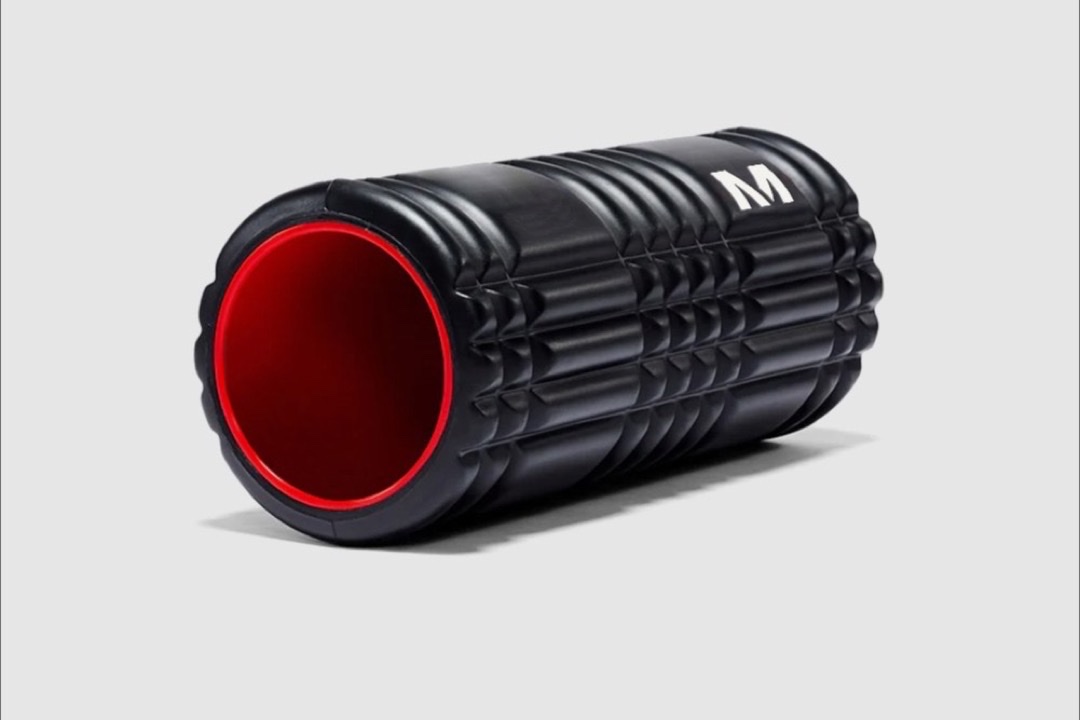
MasterKraft's foam roller range comes in all three: a 33cm TPT roller, a 45cm roller and a 90cm roller. The rollers are EVA closed cell foam, which does not absorb moisture and resists sweat, and the long roller is 15cm in diameter.
Diameter matters less than length for most people, but a larger diameter sits you higher off the floor, which some find easier to get on and off.
Density: soft, medium and firm
Density is how much the foam gives under your weight.
- Softer rollers compress more and feel gentler. They suit people new to rolling, and lighter users.
- Medium-density rollers are the general-purpose choice for most home gyms and classes.
- Firm rollers compress very little and feel much more intense. Many experienced lifters prefer them for the legs and hips.
Density is personal. If you are not sure, start medium; you can always add pressure by stacking one leg on the other or rolling more slowly. Check the density on the product page before you buy, because it varies between models.
Smooth or textured?
Smooth rollers spread pressure evenly across the surface. They are comfortable for long sessions, easy to clean and suit lying lengthways for core work.
Textured rollers have ridges, grids or raised nodes on the surface. The texture concentrates pressure on smaller points, so the same roller feels firmer than a smooth one of similar density. Many people use a textured roller for the calves, quads and glutes and a smooth one for the back.
In the MasterKraft range, the short 33cm roller is the TPT version; check the product page for the surface of each size before you order. If you only buy one, a smooth mid-length or long roller is the most versatile. Add a short textured roller once you know you want more pressure on the legs.
Choosing one for a home gym or studio
For a home gym, most people do well with one or two rollers:
- A 45cm or 90cm smooth roller for general rolling and core work.
- A short textured roller for the legs, if you want more pressure.
For a studio, PT space or class room, think in quantities. Long rollers are the standard for Pilates and core classes, so you will want one per participant. A few short textured rollers in the stretching area cover members who want to roll before or after a session.
Store rollers off the floor
Rollers are light and bulky, so they tend to end up in a pile in the corner. In a home gym, a long roller can stand upright against a wall or lie on top of a storage rack.
In a studio, a dedicated rack keeps them tidy and easy to grab. The Foam Roller Storage Rack (Wall Mounted) holds up to 10 rollers in a dispenser-style frame made from laser cut steel. Check the published dimensions against your wall before ordering. For more on planning storage and layout at home, see our guide to setting up a home gym.
Find the right roller
You can compare rollers alongside the rest of the mobility and body weight range in the body weight equipment range, with sizes and stock on each product page. If you are fitting out a studio or class room, our fit-out service can plan rollers, mats and storage together.